Case Management Nursing Career Guide 2026: Salary, CCM Certification & How to Make the Pivot
Case management nurses earn $83K–$99K nationally, work mostly business hours, and many roles are fully remote. Here's the honest breakdown on pay, certifications, and how to transition from bedside.
Unit Manager & MDS Coordinator · 12+ yrs clinical · May 13, 2026
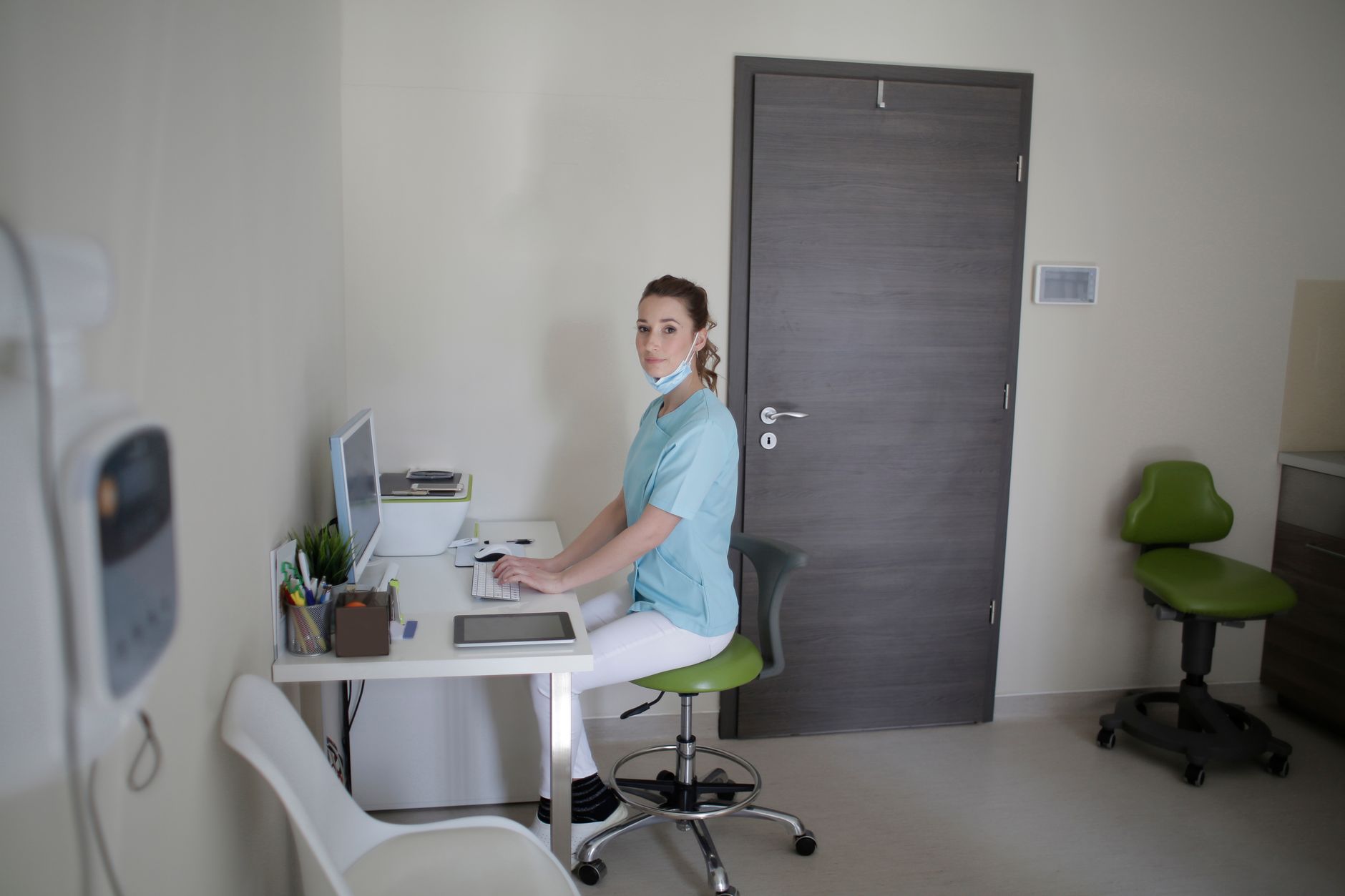
Case management is one of the most searched nursing career pivots right now, and the reason isn't complicated: regular hours, no weekends, often remote, and pay that holds up against most bedside specialties. The nursing job boards are full of case management postings from insurance companies, managed care organizations, and hospital utilization review departments — all of them looking for RNs who understand how care actually works.
The honest caveat: case management is not a stress-free escape from nursing. The pressure shifts from physical to cognitive and bureaucratic. You're no longer fighting for your patient in real time at the bedside. You're fighting for them through prior auth forms, discharge barriers, payor phone trees, and length-of-stay targets. Different skillset. Not easier — just different.
Here's everything you need to know about the actual pay, the certifications that matter, and how to make the transition.
What Is Case Management Nursing?
Nurse case managers coordinate patient care across the continuum — from hospital admission through discharge and into community-based follow-up. Depending on the setting, that might mean conducting utilization reviews to ensure inpatient stays are medically necessary under the patient's insurance policy, coordinating discharge to a SNF or home health agency, connecting patients to community resources, or managing a population of chronically ill members for an insurance company.
The three main settings are: hospital-based case management (working within the hospital system, focused on LOS reduction and safe discharge), payer-side case management (working for an insurance company, managing high-utilization members and prior authorizations), and community/population health case management (working for managed care orgs, ACOs, or home health agencies). Each has a different work rhythm and a different pressure profile.
Hospital case management is the most accessible entry point for bedside nurses — you're already in the system, familiar with the clinical landscape, and you understand what the floor team is dealing with. Payer-side is where the remote opportunities live.
Case Management Nurse Salary in 2026
The national average for nurse case managers in 2026 ranges from $83,067 to $99,000 annually depending on the source. PayScale reports a median of $83,067; Salary.com shows $94,013/yr ($45/hr); ZipRecruiter puts the average at $98,869. Real-world pay lands in the $85K–$95K range for most mid-career hospital and payer-side RN case managers, with top earners in high-cost-of-living markets or specialized roles clearing $110K+.
| Entry-level (<1 yr) | ~$71,000/yr |
| Mid-career (3–7 yrs) | $85,000–$95,000/yr |
| CCM-certified | +10–20% premium |
| Payer-side / insurance | $88,000–$105,000/yr |
| Top 10% (CA, NY, WA) | $110,000–$130,000/yr |
The certification premium is real and consistent. CCM-certified case managers earn 10–20% more than non-certified peers in comparable roles, according to CCMC's most recent salary survey. At $90K base, that's $9K–$18K more per year — well above what most specialty nursing certs return. If you're going to invest in any single credential in this field, start there.
CCM vs. CMGT-BC: Which Certification Do You Need?
There are two main credentials in this field: the CCM (Certified Case Manager), issued by the Commission for Case Manager Certification (CCMC), and the CMGT-BC (Nursing Case Management board certification), issued by the ANCC. They're not interchangeable, and they target slightly different audiences.
The CCM is the gold standard for case managers across all settings. It's recognized by hospitals, insurance companies, managed care organizations, and employers outside of healthcare. To sit for the CCM, you need 12 months of supervised case management employment in two of the six essential activities of case management, OR 12 months of supervised experience as a supervisor of a case manager. The exam is 180 questions, 4 hours, and costs $395 for first-time candidates. Renewal is every 5 years (either re-examination or 80 CE hours).
The CMGT-BC is nursing-specific. It requires an active, unrestricted RN license, a BSN or higher, and 2,000 hours of clinical practice in nursing case management. It's the right choice if you're staying in a hospital system or nursing-specific setting and want to align with the ANCC credential framework. But in payer-side and cross-disciplinary settings, the CCM carries more weight.
If you can only get one: get the CCM first. It opens more doors. Add CMGT-BC if you're targeting hospital utilization management leadership roles where the ANCC credential signals nursing depth to nursing leadership.
How to Become a Case Management Nurse (The Transition Path)
Most case management positions require 2–3 years of RN experience in a clinical setting — med-surg, ICU, telemetry, or any high-acuity unit. The experience requirement exists because case managers need to independently evaluate medical necessity, understand disease progression, anticipate discharge barriers, and credibly push back on physicians about LOS. You can't do any of that without a foundation of bedside time.
The clearest transition path:
- Accumulate 2+ years bedside experience (med-surg or higher acuity)
- Develop familiarity with DRG coding, InterQual/Milliman criteria, and discharge planning workflow
- Apply for hospital-based case manager or utilization reviewer positions
- Complete CCM eligibility requirements (12 months supervised CM experience)
- Sit for CCM exam and add the credential
- Lateral into payer-side roles if remote work is the goal
Many bedside nurses underestimate how directly their clinical skills translate. If you've worked nights and spent time coordinating discharges with the day-shift case manager, you already understand what that role involves. If you've argued with a hospitalist about an inappropriate admission, you have utilization review instincts. The gap between bedside RN and case manager is narrower than most job postings make it look.
A BSN is preferred by most employers but not always required. Hospitals with Magnet status will typically require BSN minimum. Payer-side employers (insurance companies) are often more flexible, especially for internal transfers. ADN-prepared nurses have made the transition — it's harder at the hospital level but not impossible, especially in non-Magnet facilities.
Remote Case Management: What's Actually Available
This is the part that attracts most bedside nurses to case management. The remote opportunity is real, but it's concentrated in specific settings. Hospital-based case management roles are mostly on-site — you need to physically walk the floors, attend rounds, and meet with patients. These are not remote jobs. Don't take a hospital case management role expecting to work from home within six months.
Payer-side and managed care roles are where the remote positions live. Insurance companies (UnitedHealth/Optum, Humana, Cigna, Aetna, Centene) employ large case management teams that operate entirely remotely. They manage member populations via phone and electronic health record access — no in-person requirement. These roles typically require 2+ years of case management experience in addition to the clinical background, which is why hospital case management often serves as the steppingstone.
Telehealth companies and population health management organizations also hire remote case managers, particularly for Medicaid managed care programs focused on high-utilizers and members with complex chronic conditions. If you're targeting remote work, Indeed's search for "remote nurse case manager" consistently returns 500+ active listings. CCM certification significantly improves your candidacy for remote payer-side roles — it signals you can work independently without clinical supervision.
The Honest Pros and Cons
Case management is consistently listed as one of the top nursing career pivots for burnout recovery — and the reasons are legitimate. Regular hours, off weekends and holidays, no physical lifting, lower acute-stress load, and pay that doesn't crater relative to bedside work. For nurses who've spent years doing 12-hour nights, those variables matter.
- Regular business hours (M–F in most settings)
- No mandatory nights, weekends, or holidays
- Remote work available (payer-side roles)
- Pay stays competitive: $83K–$99K+ nationally
- CCM cert pays back immediately (+10–20%)
- Reduced physical stress vs. bedside
- High documentation burden — electronic all day
- Productivity metrics and caseload quotas
- Insurance denials are frustrating and common
- Less direct patient contact (if that matters to you)
- Hospital roles require on-site presence
- Political complexity with physicians and insurers
The nurses who thrive in case management are detail-oriented, good on the phone, organized, and not threatened by sitting at a desk all day. If you get your energy from the physical rhythm of a shift and direct patient care, this transition may feel hollow — even if the conditions are objectively better. Know which kind of nurse you are before you make the move.
Free Tool
See If the Pay Actually Works for You
Run your take-home pay under both scenarios — bedside RN vs. case manager — using our Nursing Paycheck Auditor. Plug in your state, base rate, and hours to see what your W-2 actually looks like.
Run Your Paycheck Audit →Frequently Asked Questions
How much do case management nurses make?
Case management nurses earn $83,000–$99,000 nationally in 2026. PayScale reports a median of $83,067; Salary.com shows $94,013/yr; ZipRecruiter shows $98,869. CCM-certified nurses typically earn 10–20% more than non-certified peers in comparable roles.
What certifications do case management nurses need?
The two main credentials are the CCM (from CCMC) and the CMGT-BC (from ANCC). The CCM is the more widely recognized credential across hospital and payer settings. Get CCM first — it opens more doors and carries more weight in payer-side and cross-disciplinary roles.
How do I transition from bedside nursing to case management?
Most case management roles require 2–3 years of bedside RN experience in med-surg, ICU, or another high-acuity unit. A BSN is preferred. Start with hospital-based case management or discharge planning, build CCM eligibility over 12 months, then sit for the exam. Payer-side remote roles typically want 1–2 years of case management experience in addition to the clinical background.
Are case management nursing jobs remote?
Remote case management roles are concentrated in payer-side (insurance company) and managed care settings. Hospital-based case management is mostly on-site. Target UnitedHealth/Optum, Humana, Cigna, Aetna, and population health companies if remote work is the primary goal. CCM certification significantly improves candidacy for remote roles.
Is case management nursing stressful?
Different stress, not zero stress. You lose the physical intensity of bedside nursing and gain documentation load, caseload quotas, insurance denials, and administrative pressure. It's better for most burnout-related physical symptoms (no more 12-hour nights, lifting, floor chaos). It's not a stress-free job — the pressure is just cognitive and bureaucratic rather than physical and acute.